
A few nights ago, my mom showed me a spider web outside her house. Stretched between the house and a miniature rose bush, it was enormous, thick, and intricate. The spider itself was glowing from the reflection of the floodlights shining through it.
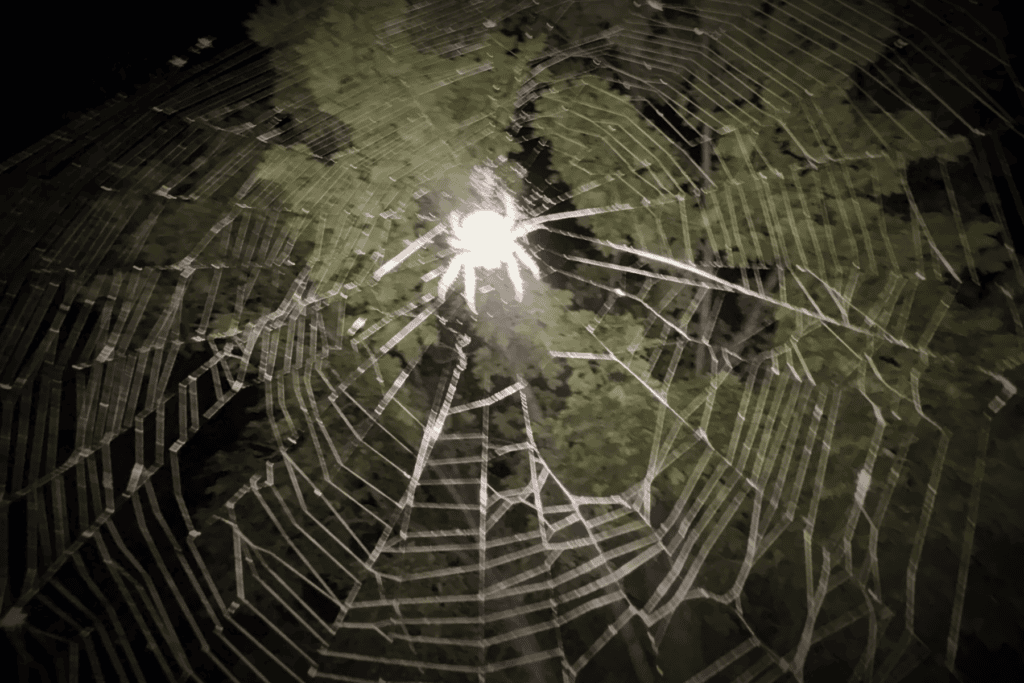
It got me thinking about how webs are built.
A spider’s web isn’t built all at once. One strand doesn’t seem like much. But strand by strand, the web grows until something that seemed insignificant becomes strong enough to trap its prey.
Our lives can be much the same.
A web can represent anything that gradually builds up around us and makes it harder to move forward. One strand by itself doesn’t seem like much. But then there’s another. And another. Eventually, you realize you’re tangled in something that has accumulated over time.
Sometimes the things holding us back aren’t big problems. They’re little things we’ve allowed to accumulate. Let’s look at some common webs around us.
At Work
- Outdated technology
- Inefficient processes
- Skills that haven’t kept pace with change
- “We’ve always done it this way.”
At Home
- Clutter we no longer use
- Routines that no longer fit our lives
- Commitments we’ve continued out of habit
- Unfinished projects taking up mental space
In Life
- Old expectations of ourselves or others
- Digital clutter and unused subscriptions
- Information overload
- Old habits that no longer serve us
Not everything needs to be changed. But sometimes we need to step back, look at what has accumulated, and decide what is still worth holding onto. What is no longer serving us may have become a web we are stuck in.
Whether it’s outdated technology at work, clutter at home, or an old habit in our personal lives, sometimes the first step is simply recognizing the web we’re caught in. Take a step back. Find the strands that are holding you in place. Then decide which ones it’s time to cut.