
June is National Safety Month. In a previous article, we focused on helping kids stay safe online. This year, we’re shifting the focus to adults and the everyday digital threats many people encounter without even realizing it.
From phishing emails and fake job offers to identity theft and online shopping scams, cybercriminals continue to find new ways to target unsuspecting users. And while technology has made our lives more convenient, it has also made online safety more important than ever.
According to the Federal Trade Commission, Americans reported losing billions of dollars to fraud last year alone. Many scams begin with something simple: an email, a text message, a social media post, or a fake website that looks legitimate at first glance.
The good news is that staying safer online doesn’t require advanced technical knowledge. Often, awareness and a few smart habits can make a significant difference.
Common Online Risks Adults Face
Identity Theft
Identity theft occurs when someone gains access to your personal information and uses it fraudulently. This can include credit card numbers, bank account information, Social Security numbers, or login credentials.
Sometimes the warning signs are obvious, such as unfamiliar purchases or account alerts. Other times, identity theft may go unnoticed for months.
To help protect yourself:
- Monitor bank and credit card statements regularly
- Review your credit report periodically
- Be cautious when sharing sensitive information online
- Avoid storing personal information in unsecured locations
Financial Scams and Phishing Attempts
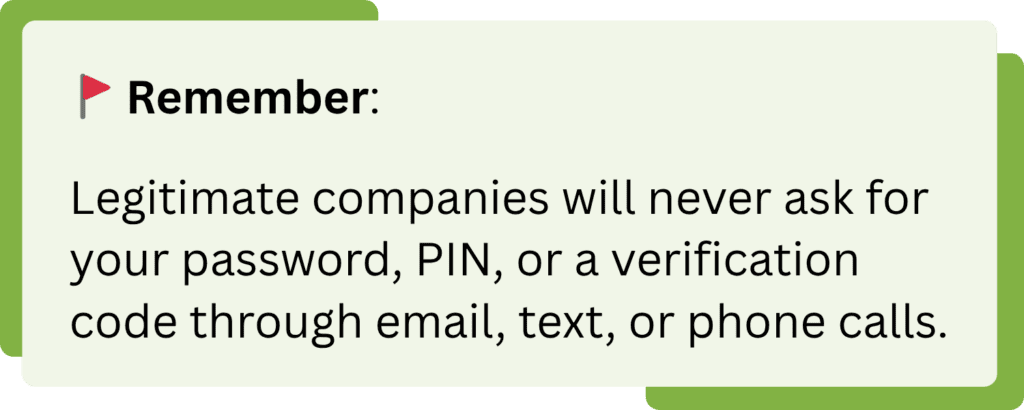
Phishing scams are designed to trick people into revealing personal or financial information. These messages often appear to come from trusted companies, financial institutions, or even coworkers.
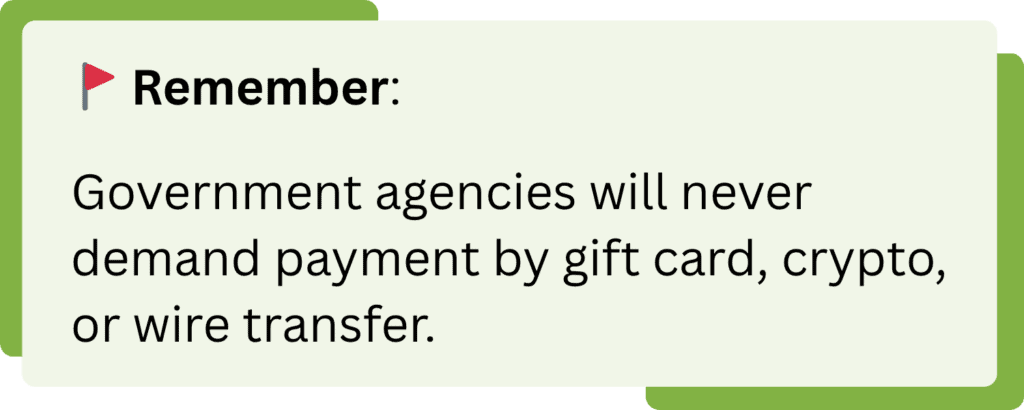
Common examples include:
- Emails claiming there is a problem with your account
- Fake invoice or payment requests
- “Urgent” password reset notices
- Investment opportunities that sound too good to be true
Scammers frequently rely on urgency and fear to encourage quick action before someone has time to think critically.
If a message pressures you to act immediately, requests sensitive information, or contains suspicious links, it is worth taking a closer look before responding.
Online Shopping and Fake Websites
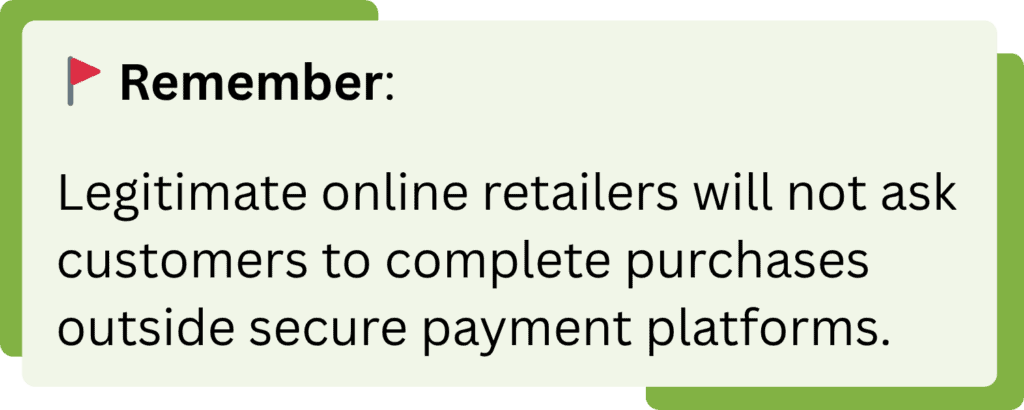
Online shopping has become part of everyday life, but fraudulent websites and fake online stores have become increasingly common.
Before making a purchase:
- Verify the website address carefully
- Look for secure connections (https)
- Research unfamiliar companies
- Be cautious of prices that seem unusually low
- Use trusted payment methods whenever possible
Reading reviews from multiple sources can also help identify suspicious websites or scams.
Social Engineering and Job Scams
Social engineering scams manipulate people into sharing information or taking actions they normally would not. These scams often rely on trust, emotion, or impersonation.
Professional networking platforms and email accounts can also be targeted by scammers impersonating legitimate companies or recruiters.
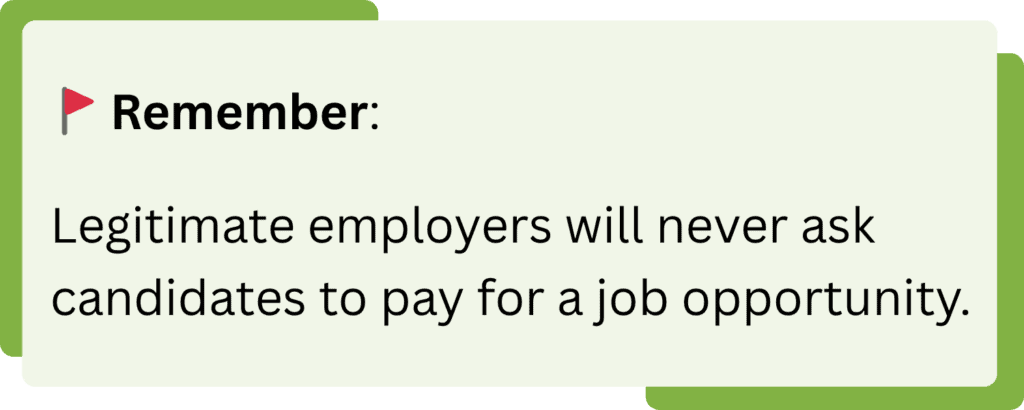
Job seekers, in particular, should remain cautious of:
- Offers that seem unusually generous
- Recruiters requesting payment or gift cards
- Messages with vague job descriptions
- Interviews conducted only through text or messaging apps
- Requests for sensitive information early in the hiring process
Taking a few extra minutes to verify a company, recruiter, or job posting can help prevent costly mistakes.
Strengthening Your Online Security Habits
While online threats continue to evolve, there are several simple habits that can improve your digital security.
Use Strong, Unique Passwords
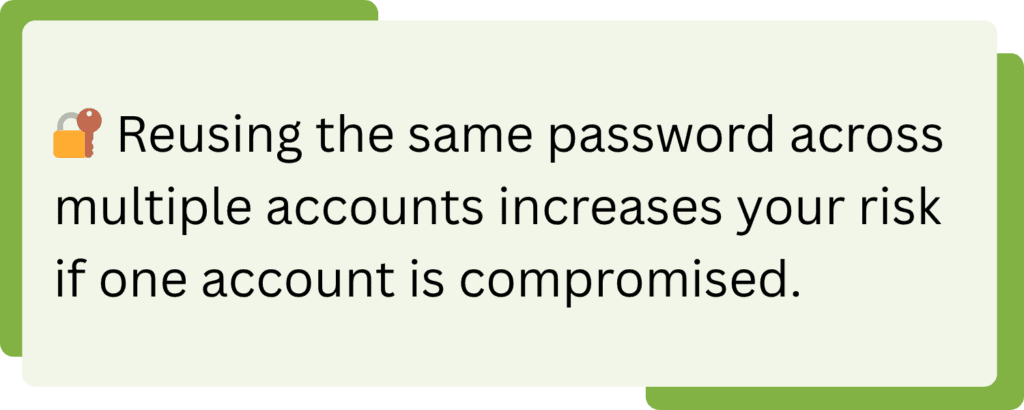
Using the same password across multiple accounts increases risk if one account becomes compromised.
Consider:
- Creating unique passwords for important accounts
- Using longer passphrases instead of short passwords
- Avoiding easily guessed information like birthdays or names
- Using a reputable password manager to securely organize credentials
Enable Multi-Factor Authentication
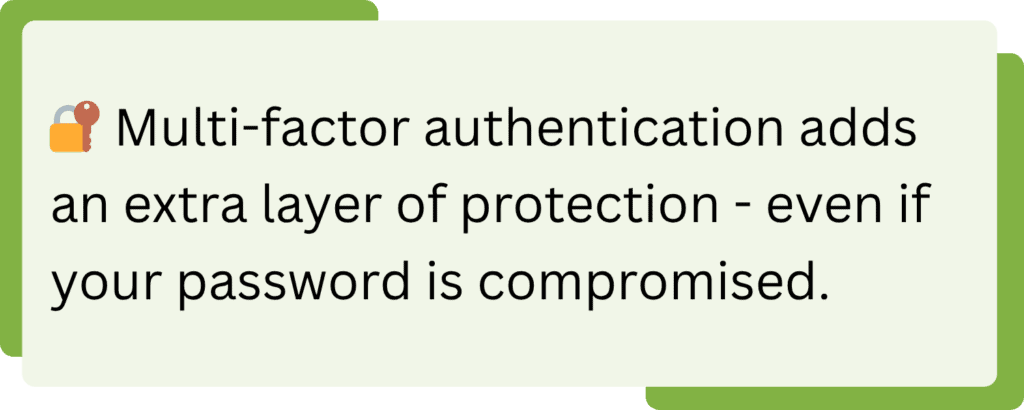
Multi-factor authentication (MFA) adds an additional layer of protection by requiring a second verification step when logging in.
Even if a password is stolen, MFA can help prevent unauthorized access to accounts.
Whenever available, enabling MFA is strongly recommended for:
- Email accounts
- Banking apps
- Social media accounts
- Work-related platforms
Think Before Clicking
Many scams begin with a single click.
Before opening links or attachments:
- Double-check the sender’s email address
- Hover over links to preview the destination
- Verify requests independently when possible
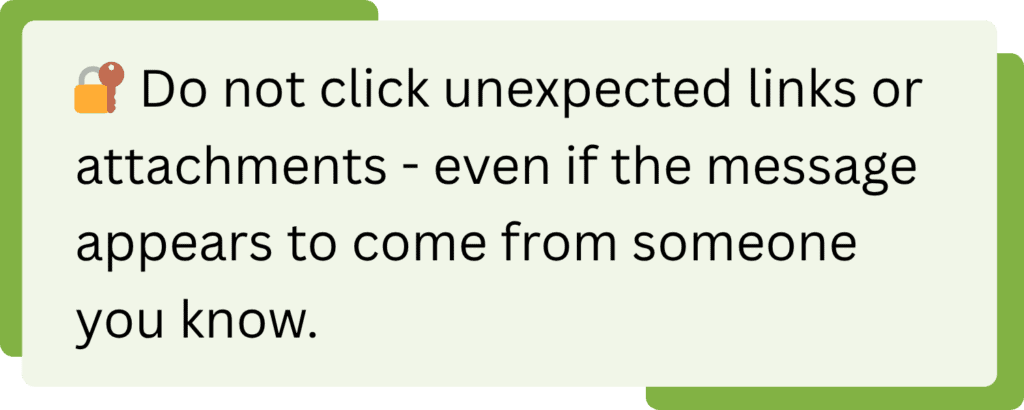
- Be cautious with unexpected messages, even from familiar contacts
When in doubt, it is often safer to visit a company’s official website directly instead of clicking a link in a message.
Keep Devices and Software Updated
Software updates often contain important security patches that help protect against newly discovered threats.
Regularly update phones, computers, browsers, and apps.
Antivirus software can help reduce vulnerabilities and improve overall security.
What to Do If You Suspect a Scam
Even cautious individuals can encounter scams. If something feels suspicious, acting quickly can help limit potential damage.
Consider taking the following steps:
- Change compromised passwords immediately
- Contact your bank or financial institution if necessary
- Monitor accounts for unusual activity
- Report phishing emails or scam messages
- Freeze credit reports if identity theft is suspected
Scams and fraud can also be reported to organizations such as the Federal Trade Commission (FTC) or the FBI’s Internet Crime Complaint Center (IC3).
Final Thoughts
Online scams continue to evolve, and many are designed to appear convincing and urgent. Staying informed and practicing good digital habits can help reduce risk and improve online safety for both individuals and families.
National Safety Month is a good reminder that safety is not limited to the physical world. Taking a few simple precautions online can go a long way toward protecting personal information, finances, and professional identities.
Staying alert, asking questions, and slowing down before reacting to suspicious messages are some of the most effective tools we have.